
In industrial and food-grade environments, ensuring the protection of personnel, equipment, and infrastructure isn’t discretionary, it is a legal obligation. Under the Work Health and Safety Act 2011 (Cth) and equivalent state legislation, persons conducting a business or undertaking (‘PCBUs’) must eliminate or when elimination is not reasonably practicable, minimise risks so far as is reasonably practicable.
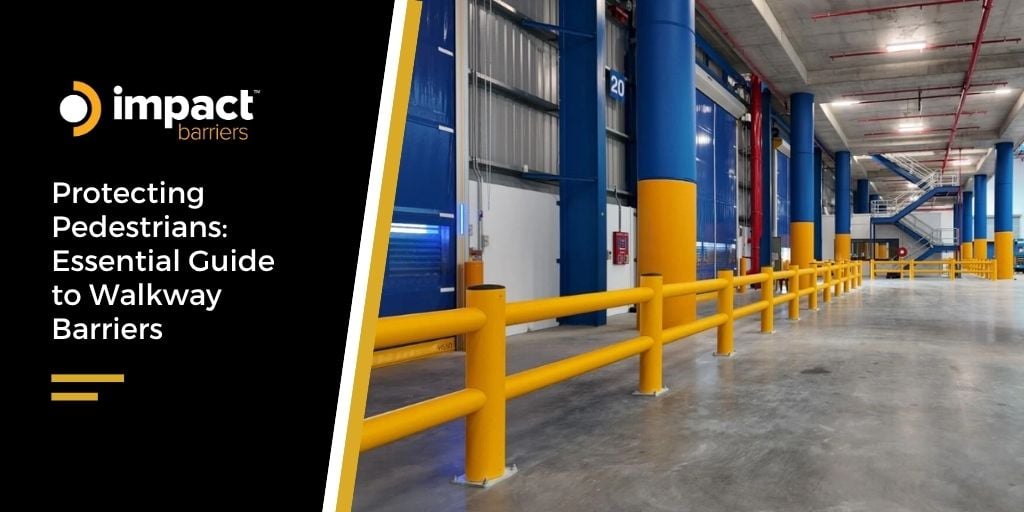
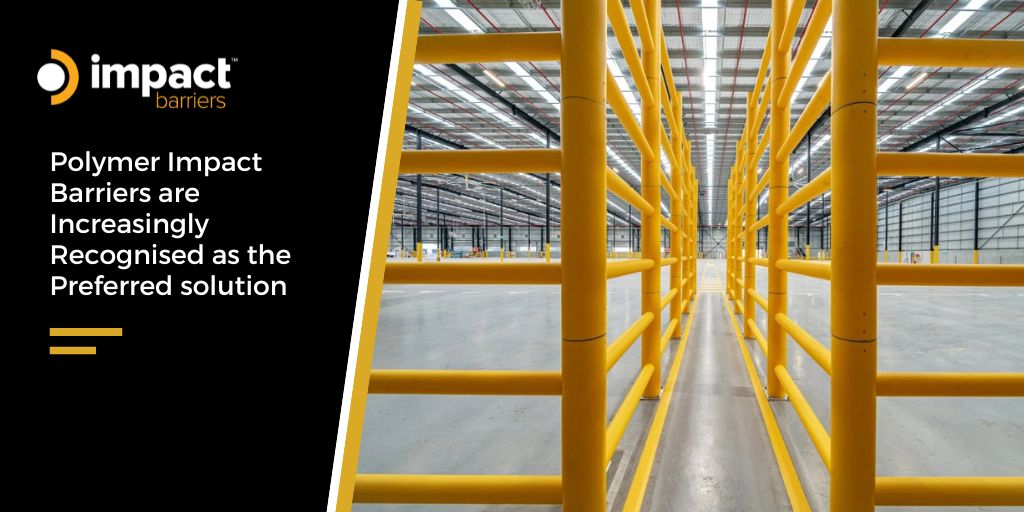
Physical engineering controls are among the highest in the hierarchy of controls and in high-traffic, high-risk facilities such as warehouses, cold stores, food-processing environments polymer impact barriers are increasingly recognised as the preferred solution for safeguarding people and assets.
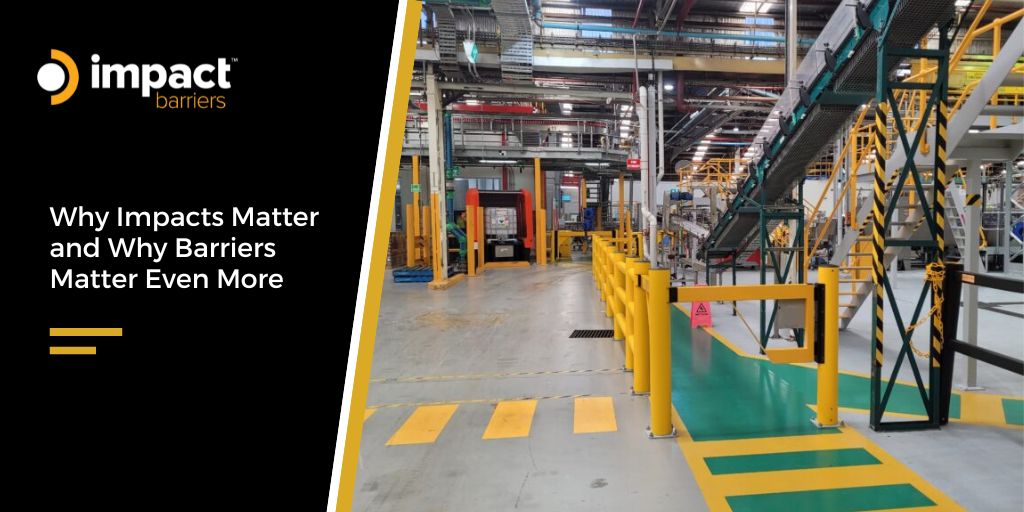
Why Impacts Matter and Why Barriers Matter Even More
In any facility where mobile plant (forklifts, pallet jacks, AGVs) operates alongside storage racks, pedestrian pathways and sensitive equipment, the risk of impact collisions is ever-present. Traditional steel guard rails and barriers have long been the default; however, recent evidence and product innovations reveal that polymer barriers offer superior performance in critical respects.
Polymer barriers deliver two key protective functions.
- Energy absorption – Instead of transferring collision force to the vehicle, operator or floor (as rigid steel does), polymer barriers flex, absorb and dissipate energy.
- Durability in sensitive environments – In food-grade and cold-storage facilities, steel barriers present issues of rust, paint chipping, hygiene and maintenance. Polymer systems avoid these pitfalls.
As one provider states, their polymer barrier range is ‘designed to absorb impact, no concrete damage, flex and restore properties made from food-grade polymer, hygienic, non-corroding, water-resistant’. Another article asserts polymer barriers are the ‘smarter alternative’ to steel, emphasising reduced floor damage, lower lifecycle cost and suitability for food-grade and cold environments.
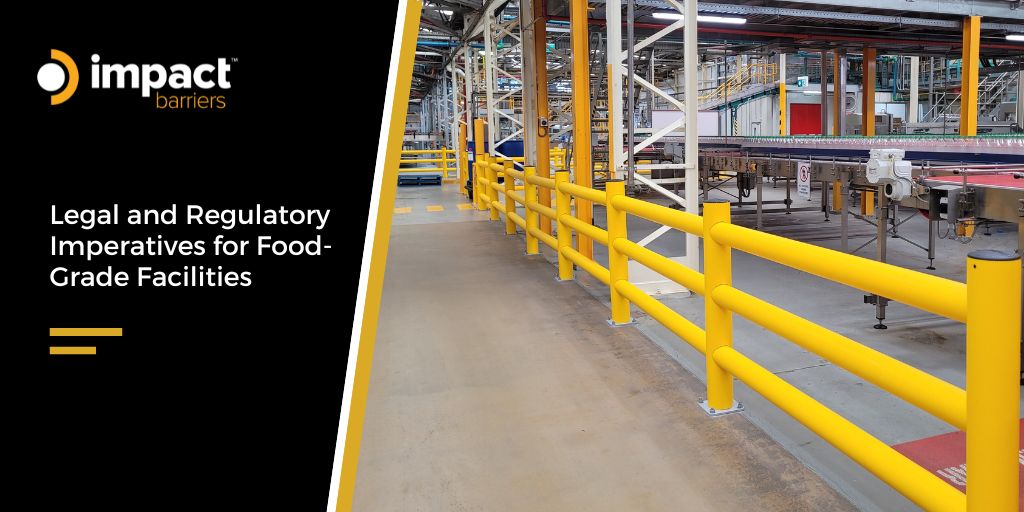
Legal and Regulatory Imperatives for Food-Grade Facilities
For facilities that handle food, beverage, pharmaceuticals or other hygiene-sensitive products, the obligation expands. Not only must safety be managed, but cleanliness, contamination risk and regulatory compliance (e.g., food-safety standards, HACCP, etc.) also dictate engineering controls that do not degrade hygiene or introduce risk of rust, flake or debris. An article on ‘How sensitive work environments benefit from polymer barriers’ emphasises precisely this point: that in food and pharma environments, polymer barriers provide hygiene advantages over steel which may chip, rust or produce debris.
Installing polymer impact barriers in such settings not only meets the PCBU’s duty to control workplace risks under the WHS framework, but also supports compliance with hygiene, contamination and product-integrity requirements.
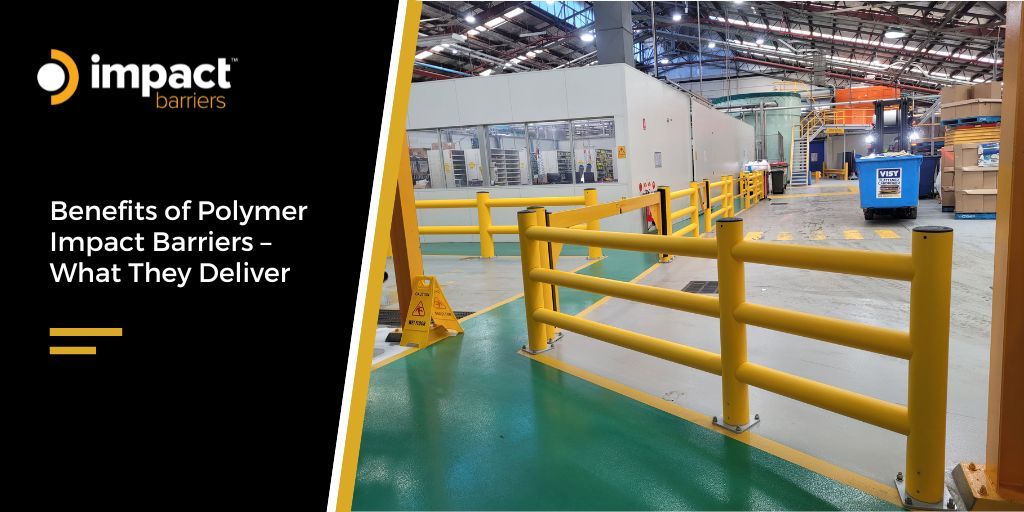
Benefits of Polymer Impact Barriers – What They Deliver
Below is a breakdown of critical benefits provided by polymer impact barriers in industrial and food-grade facilities:
- Impact Absorption and Infrastructure Protection
Polymer barriers flex on impact, reducing force transferred to vehicles, floors and anchors. According to a case study, one polymer barrier system for cold-storage warehouses was engineered to withstand multiple impacts, ‘no concrete damage’ being a key specification. - Reduced Maintenance & Life-Cycle Cost
Unlike steel, which may bend, buckle or rust, polymer barriers maintain shape, require less repair or replacement and avoid costly downtime. One provider asserts these systems offer ‘long-term savings; they do not require frequent replacement or welding; stay effective after multiple impacts.’ - Hygiene & Food-Grade Compliance
In food-grade, cold-storage or hygiene-critical environments, polymers avoid rust, chip-off, water ingress or corrosion all crucial to maintaining cleanliness and contamination control. - Environmental & Operational Resilience
Polymer systems can be UV-stabilised, temperature-resilient (-30 °C), water-resistant and non-corroding. For example, one product documentation states suitability for ‘up to -30-degree temperatures, UV stabilised, low maintenance.’ - Operational Efficiency & Safety Messaging
Visibly undamaged, clean, modern barriers send a strong safety culture signal to workers. They help delineate pedestrian zones, vehicle routes and equipment areas clearly. As one article states: ‘A barrier system that looks clean, professional and undamaged communicates that safety is taken seriously.’
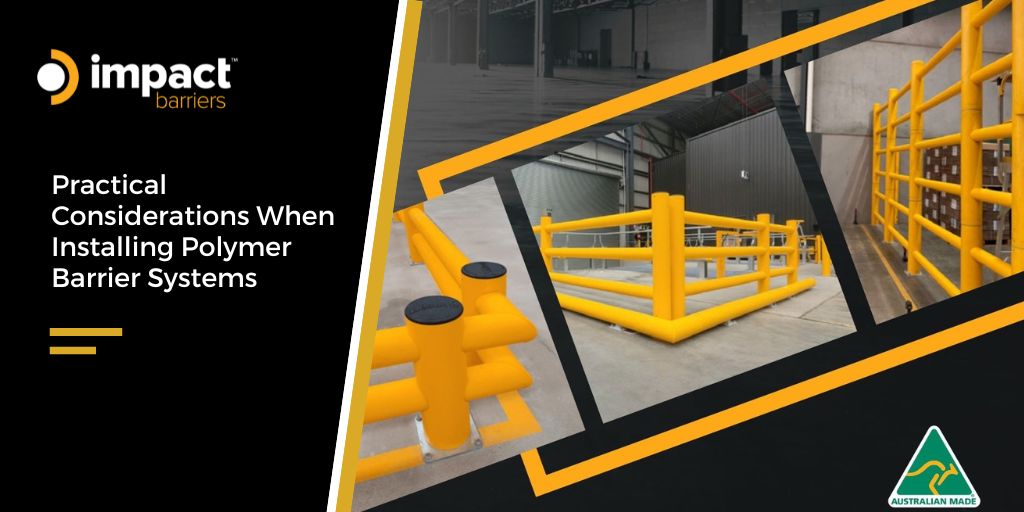
Practical Considerations When Installing Polymer Barrier Systems
If you operate or manage an industrial or food-grade facility, the following steps are essential for implementing polymer impact barriers effectively:
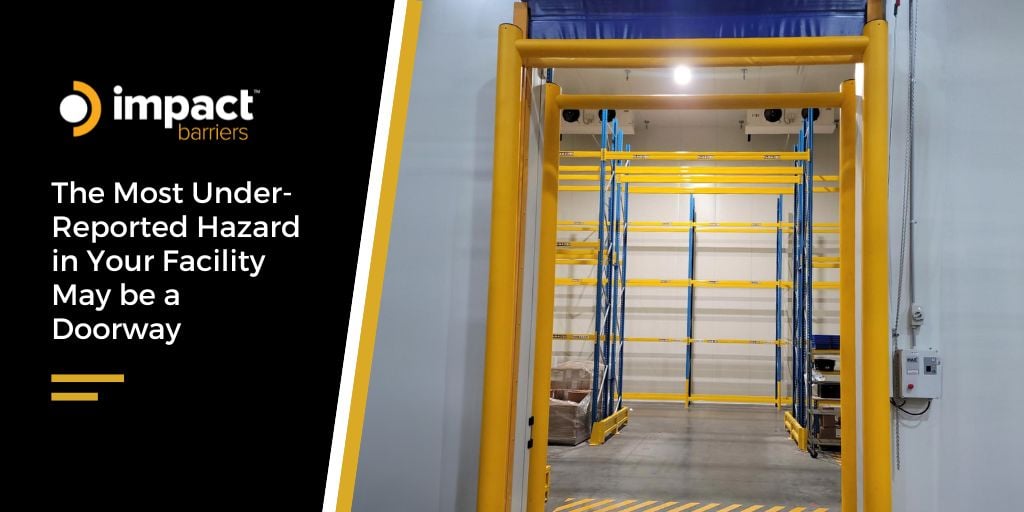
- Risk Assessment: Identify high collision zones i.e. forklift aisles, cold-storage entry points, racking ends, pedestrian crossings, vehicle intersections.
- Barrier Specification: Choose polymer barriers rated for expected impact forces, floor anchoring systems, modular installation and hygiene requirements (food-grade polymer if relevant). The brochure references impact-tested polymer systems with food-grade compliance.
- Hygiene Compatibility: In food or pharmaceutical settings, ensure barrier materials are non-corrosive, non-rusting, easily cleanable and do not chip or flake. See specification article on sensitive environments.
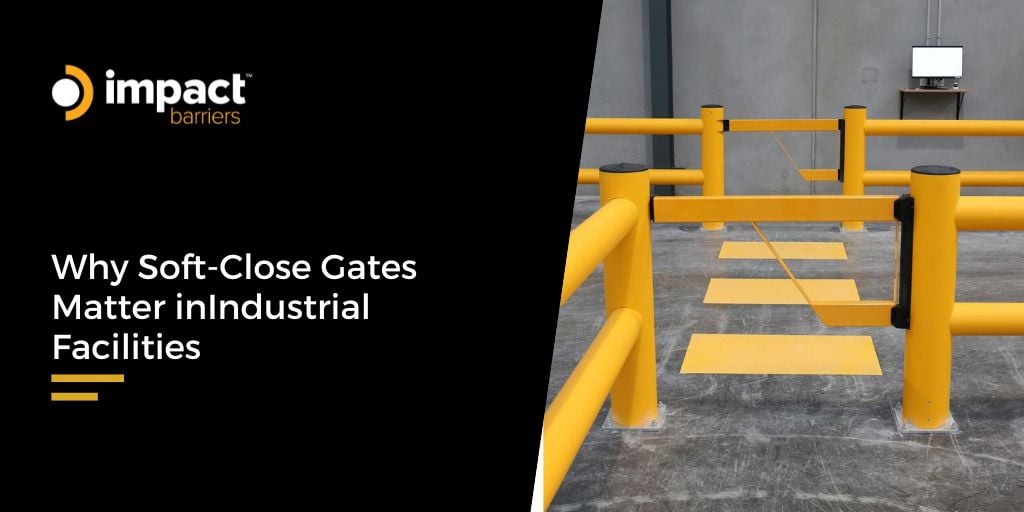
- Installation & Layout: Install barriers to protect racking, pedestrian walkways, loading zones, entryways. Ensure floor anchoring is robust, and visibility (colour contrast, signage) is optimised.
- Maintenance & Monitoring: Regularly inspect for damage, deformation or loosened anchors. Polymer barriers may flex and restore, but repeated major impacts may degrade performance over time.
- Integration with Safety Systems: Combine barrier installation with traffic management plans, pedestrian segregation, forklifts driver training, and hazard signage. Physical barriers should be part of the broader system of controls under WHS obligations.
Case Illustrations & Supporting Resources
- The ‘Impact Barriers: Polymer vs Steel – Why Polymer Wins in Modern Warehouses’ article provides a clear comparison of oil-industry tested polymer systems against traditional steel, including operational benefits and compliance alignment.
- The ‘How sensitive work environments benefit from polymer barriers’ article demonstrates how polymer barriers are used in food and beverage sectors to manage both safety and hygiene.
- The ‘Impact Heavy Duty Barrier’ product page details the heavy-duty polymer barrier suited for high-risk zones, listing key specifications.
- The corporate ‘About Impact Barriers’ page outlines their Australian-made polymer barrier systems designed for industrial and food-grade facilities.
Talk to Us About Safer Impact Protection
Polymer impact barriers represent a paradigm shift in workplace safety engineering for industrial and food-grade facilities. They meet the legal obligations set out under the WHS Act, deliver superior protection for workers and plant, provide hygiene-compatible solutions for food-sensitive environments and reduce long-term costs and downtime. For any facility where pedestrians, equipment and mobile plant interact, steel barriers may no longer suffice. Polymer systems offer the resilient, hygienic and efficient protection that modern operations demand.
As best practice, facility managers, operations leaders and safety officers should review existing barrier systems, not merely for compliance, but for effectiveness. Ask whether your barriers absorb impact, protect infrastructure, maintain hygiene standards and convey a culture of safety. If the answer is ‘no,’ it is time to invest in polymer impact barriers.
If you’d like guidance on choosing the right polymer barrier system for your site, we can help assess your risks and recommend options that match your facility and compliance needs. Contact us on 1800 765 539.