
Warehouses and storage facilities are busy, high-risk environments where people, forklifts, and stock move side by side under constant time pressures. In these conditions, even a minor mistake can lead to costly damage or serious injury. For that reason, physical controls like impact barriers provide an essential layer of protection to keep workers safe, safeguard infrastructure and ensure operations keep moving without disruption.
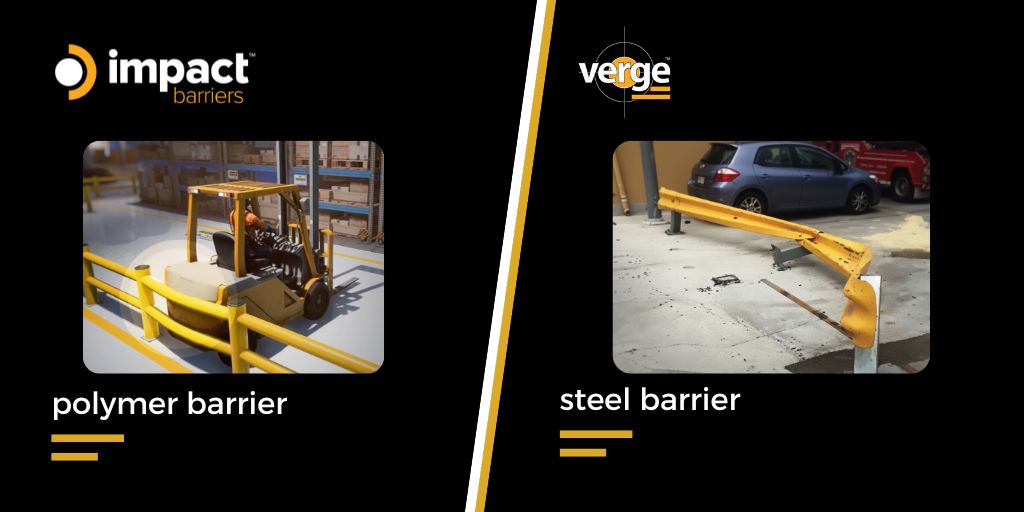
Traditionally, steel barriers have been the default option. Strong, heavy and familiar, they have been erected into warehouses for decades. But more recently, polymer impact barriers have emerged as a safer, and smarter choice.
For businesses serious about reducing risk and maintaining compliance, it’s time to take a hard look at why polymer should replace steel as the go-to barrier system.
Why Impact Barriers Matter
The purpose of an impact barrier is simple: protect people, assets and infrastructure.
In storage facilities, this often means:
- Protecting racking systems from forklift strikes.
- Shielding pedestrian walkways from mobile equipment.
- Safeguarding expensive machinery, walls and columns.
- Reducing risks of injury from moving vehicles.
Safe Work NSW continues to highlight that “being hit by moving objects” is one of the most common causes of workplace injuries in warehousing and storage. Barriers provide a physical line of defence, ensuring that when mistakes happen, they don’t become tragedies or million-dollar repair bills.
Steel Barriers: The Old Way
Steel barriers have long been the industry’s “go-to” because of their apparent strength. They are heavy-duty, rigid and can stop large vehicles in their tracks. But their design comes with significant drawbacks:
- Lack of energy absorption: When a steel barrier is hit, the force transfers to the vehicle, the driver, the floor and the barrier itself. This increases the risk of injury, equipment damage and concrete floor cracking.
- High maintenance costs: Steel barriers bend, buckle and often need replacing after an impact. This means downtime and recurring expenses.
- Rust and corrosion: In environments with moisture, cleaning chemicals or outdoor exposure, steel barriers degrade over time.
- Workplace culture impact: A warehouse filled with bent and damaged barriers sends a clear message safety isn’t truly a priority.
Steel has served its purpose, but modern warehouses demand something better.
Polymer Barriers: The Smarter Alternative
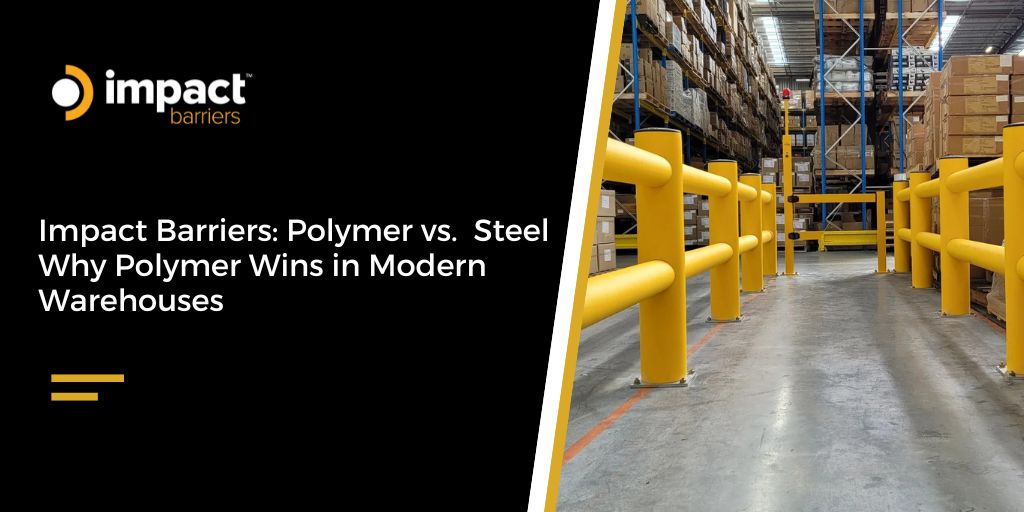
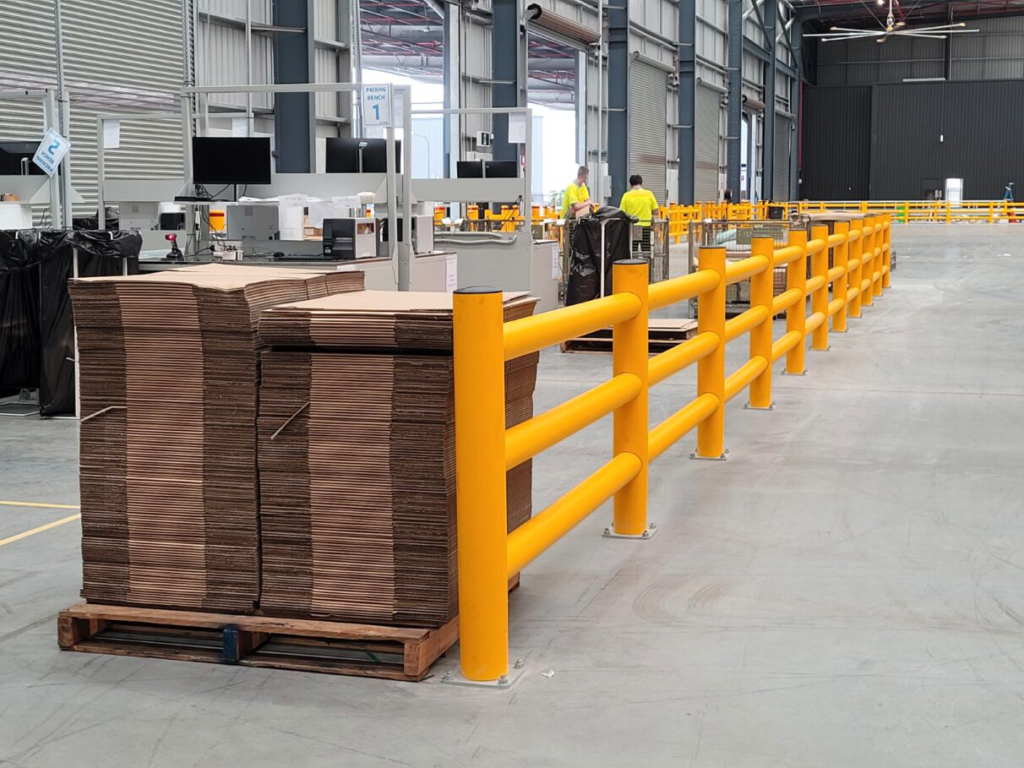
Unlike steel, polymer impact barriers are designed to flex, absorb and dissipate the energy of a collision. This innovation significantly reduces the risks associated with warehouse impacts.
The advantages of polymer impact barriers are:
1. Superior Energy Absorption
Polymer systems bend on impact and return to their original shape, absorbing energy instead of transferring it. This protects not only the barrier but also the vehicle, driver and surrounding infrastructure.
2. Reduced Floor Damage
Because polymer impact barriers absorb impact energy, they reduce stress on concrete anchor points. In contrast, steel barriers often crack floors on impact, leading to costly repairs.
3. Lower Lifecycle Costs
While polymer barriers may have a higher upfront cost than steel, their long-term savings are significant. They do not require frequent replacement or welding, and they stay effective after multiple impacts.
4. Corrosion Resistant
Polymer materials are non-corrosive, making them ideal for warehouses exposed to cleaning chemicals, food-grade environments or outdoor loading zones.
5. Improved Workplace Culture
A barrier system that looks clean, professional and undamaged communicates to staff and visitors that safety is taken seriously. This has a direct influence on worker behaviour and compliance.
Real-World Impacts of Choosing Polymer
Think about the chain reaction caused by one forklift striking a steel barrier:
- The barrier bends.
- The floor cracks at the anchor point.
- The forklift forks bend slightly.
- The operator suffers a jolt (potential musculoskeletal injury).
- Operations stop while repairs are organised.
Now compare this with a polymer barrier strike:
- The barrier flexes and absorbs the energy.
- The floor remains intact.
- The forklift is protected from damage.
- The operator experiences reduced impact forces.
- The barrier resets, ready to keep protecting.
The difference is clear; polymer keeps operations running safely and smoothly.
Aligning with WHS Obligations
Under the Work Health and Safety Act 2011, PCBUs (Persons Conducting a Business or Undertaking) are legally required to eliminate or minimise risks so far as reasonably practicable. Installing outdated steel barriers that increase risk, and cost does not meet this obligation, when safer alternatives like polymer are available.
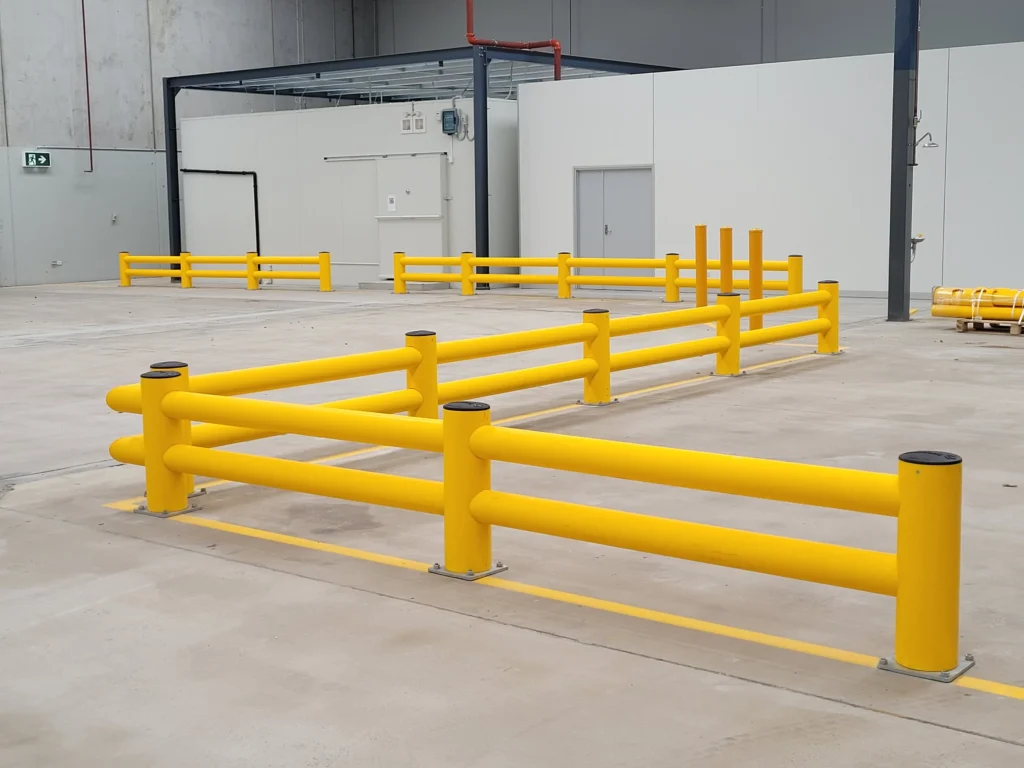
Additionally, Safe Work Australia guidance on warehouse traffic management stresses the importance of separating pedestrians from moving vehicles. Polymer barriers provide clearer separation zones with systems that integrate well into modern safety designs, supporting compliance and reducing liability.
Beyond Compliance: The Business Case
The decision to install polymer impact barriers goes beyond compliance it is about good business.
Some of the broader benefits include:
- Reduced downtime: No waiting for welding or replacement after every incident.
- Insurance benefits: Demonstrating proactive investment in advanced safety controls can strengthen your position with insurers.
- Future-proofing facilities: As automation increases in warehouses, polymer barriers offer flexibility for new layouts and evolving equipment.
- Reputation and trust: Clients and visitors notice when a facility is modern, well-kept and visibly committed to safety.
Addressing the “But Steel is Stronger” Argument
A common objection is, “But steel is stronger.” The truth is strength alone does not equal safety.
Steel barriers are rigid, but rigidity is exactly what causes damage, injuries and recurring costs. Polymer barriers combine strength with flexibility, which makes them not only strong but also intelligent in their response to impact. In modern safety design, adaptability always wins over brute force.

Flexible Polymer Safety Systems
Warehouses and storage facilities are under more pressure than ever with tighter deadlines, increasing automation and higher expectations for safety and compliance. In this environment, clinging to outdated steel barriers is a risk few businesses can afford.
Polymer impact barriers are the future of warehouse safety. They protect people, assets, and infrastructure more effectively, reduce long-term costs, and demonstrate a genuine commitment to creating safer workplaces.
Discover the right safety solution for your warehouse with our Impact range. Designed and manufactured in Australia, each product is built using advanced polymer materials for long-lasting performance. Contact our team to find out more.