
In any facility where mobile plant equipment operates in proximity to fixed infrastructure, the question is not whether a collision will occur, but when. A single impact between a loaded forklift and a traditional steel bollard can result in significant structural damage to the floor slab, costly downtime for removal and replacement, and an immediate non-compliance risk under workplace health and safety regulations.
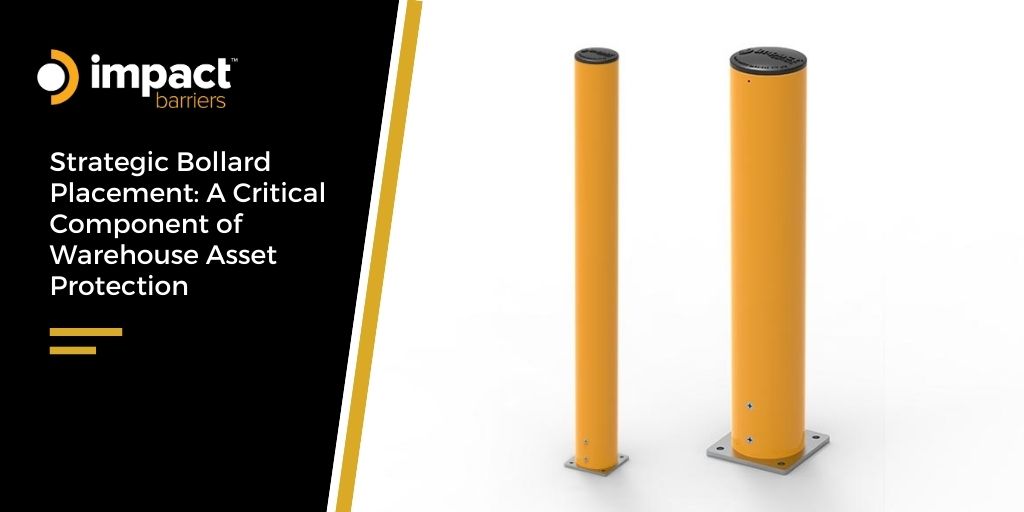
This is precisely the operational challenge that the Impact Polymer Bollard range has been engineered to address. Rather than rigidly resisting collision forces and transferring that energy into floor fixings and surrounding concrete, polymer bollards absorb and dissipate impact energy before returning to their original form.
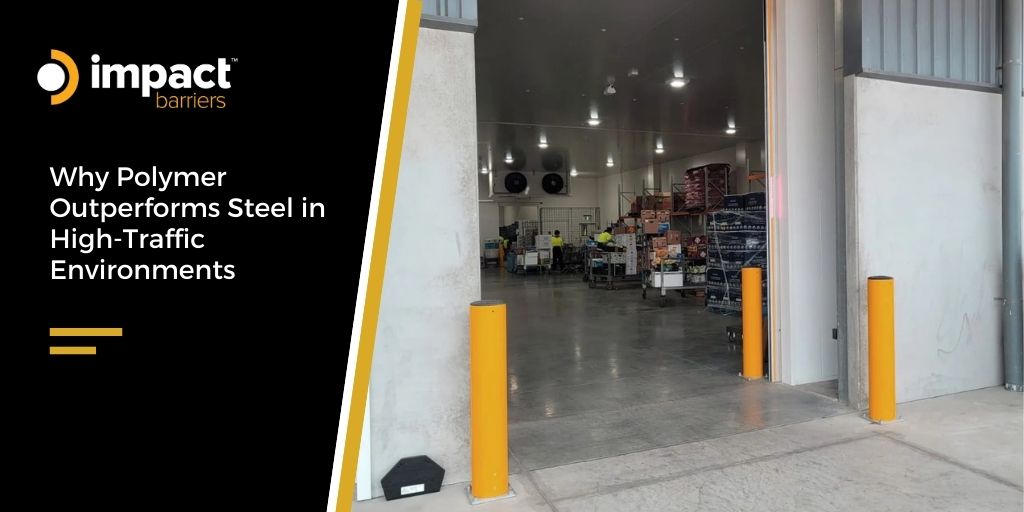
Why Polymer Outperforms Steel in High-Traffic Environments
When a vehicle weighing upwards of three tonnes strikes a steel bollard, the kinetic energy transfers directly through the post and into the floor anchoring system. The result is predictable: cracked concrete, compromised anchor bolts, and a remediation process that typically requires jackhammering, re-pouring, and extended operational downtime.
Impact Polymer Bollards operate on a fundamentally different principle. The engineered polymer compound flexes under load, absorbs the energy of the collision, and returns to its original position without transferring destructive forces into the mounting surface. From a facility management perspective, the advantages are substantial:
- Floor integrity preserved. Because the bollard absorbs the impact force rather than transferring it, the concrete slab and anchor points remain intact, eliminating one of the most common and expensive maintenance issues in warehouse environments.
- Reduced ongoing maintenance. The polymer is pigmented safety yellow throughout its entire cross-section, not surface coated. This eliminates the need for scheduled repainting and removes the quality assurance risks associated with paint chips and rust contamination, a particular concern in food-grade and pharmaceutical facilities.
- Reduced vehicle damage. The compliant nature of the polymer results in significantly less damage to the impacting vehicle. Forklift and reach truck bodywork repairs represent a considerable ongoing cost that is often overlooked in total cost-of-ownership calculations for traditional steel systems.
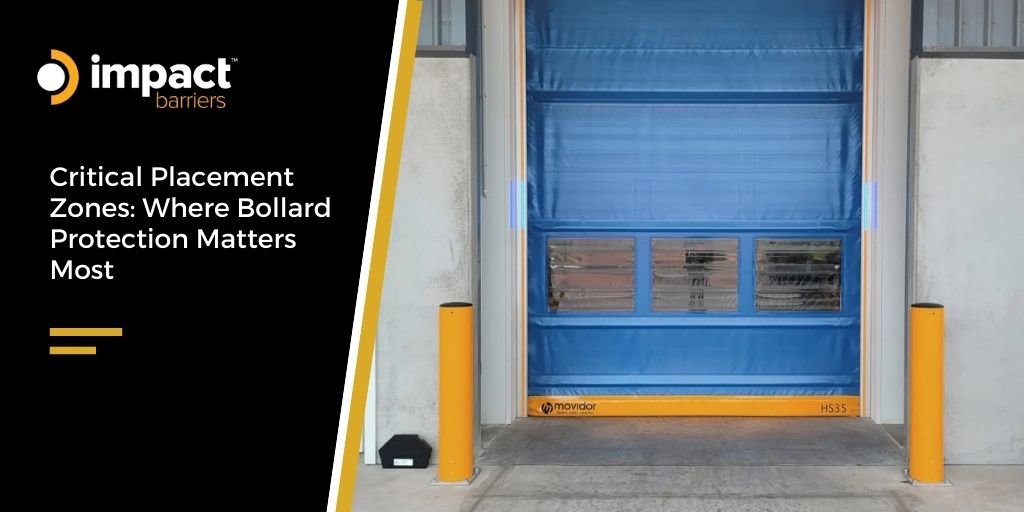
Critical Placement Zones: Where Bollard Protection Matters Most
Effective bollard placement is not about quantity; it is about identifying the high-risk zones where the consequences of an unprotected impact are most severe. A thorough site assessment should evaluate the following priority areas.
Roller Door and Rapid-Rise Door Tracks
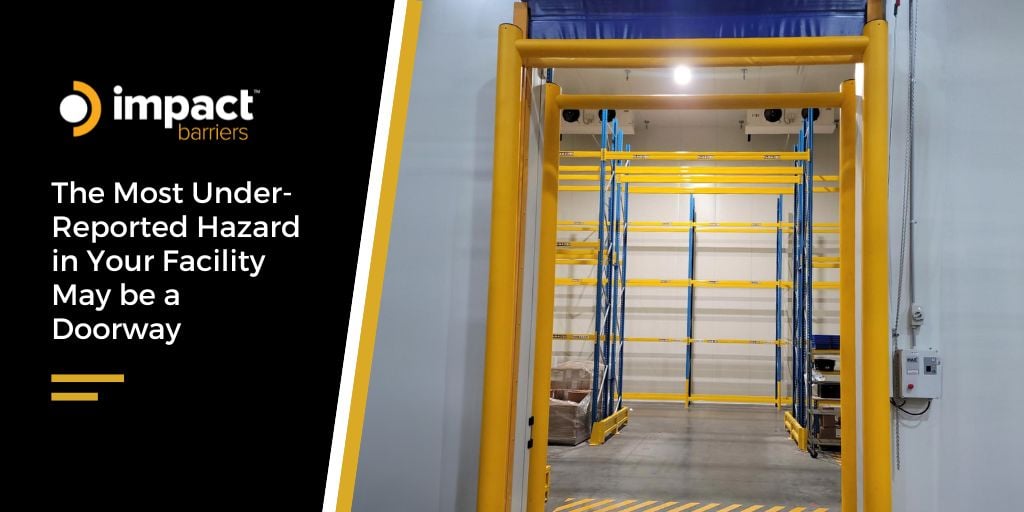
Door track damage is consistently one of the most frequently reported collision incidents in warehouse environments. A driver misjudging a turning arc by a small margin can clip the track of a rapid-rise or roller door, resulting in repair costs that routinely exceed $5,000 per incident. Positioning a polymer bollard approximately 300mm in front of each door track provides a proven, cost-effective buffer that absorbs the contact before it reaches the track assembly.
Electrical Sub-Boards, Switchgear, and Data Infrastructure
An impact to a main electrical distribution board or critical data rack has the potential to shut down an entire facility. Beyond the immediate operational disruption, there are significant safety implications associated with exposed live electrical components. High-visibility polymer bollards serve a dual function in these locations: they create a physical barrier capable of deflecting a wayward vehicle, and their conspicuous safety-yellow colour establishes a clear visual exclusion zone that reinforces driver awareness.
Pedestrian Zones and Traffic Segregation Points
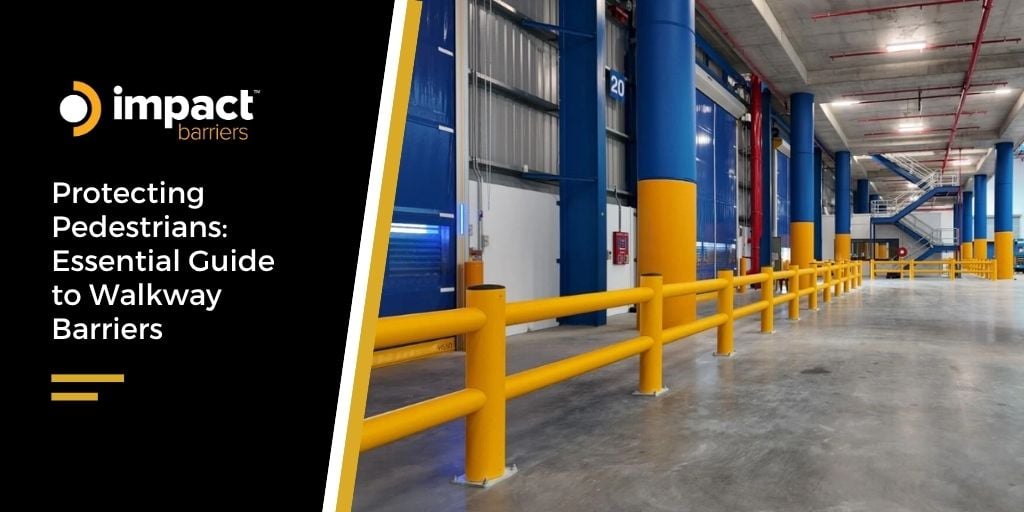
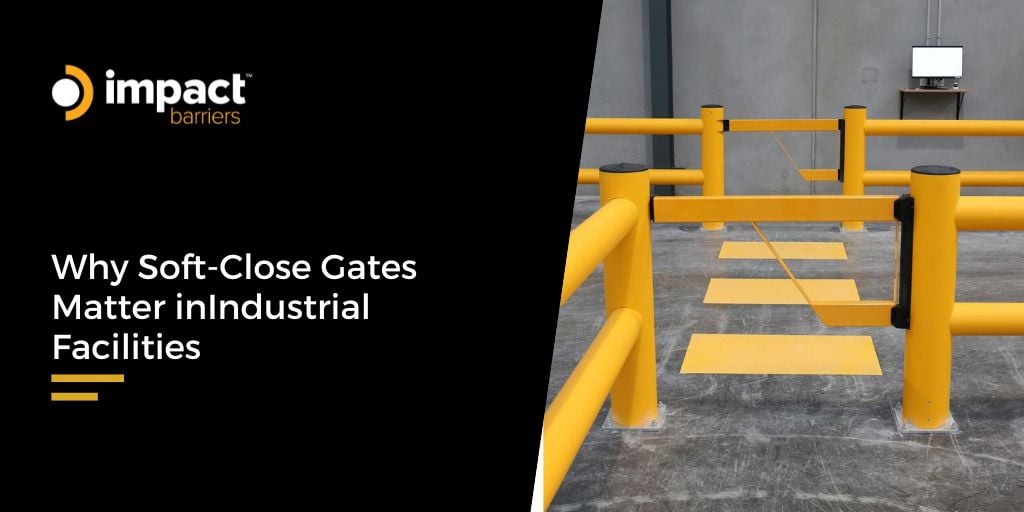
Under Australian WHS legislation, the segregation of pedestrian traffic from mobile plant operations is a fundamental duty-of-care obligation. Bollards positioned at the ends of racking aisles and at pedestrian crossing points serve as a critical control measure, preventing forklifts from overrunning into designated personnel zones. In the hierarchy of controls, physical barriers represent an engineered solution that does not rely on individual operator behaviour, a significantly more reliable approach than administrative controls alone.
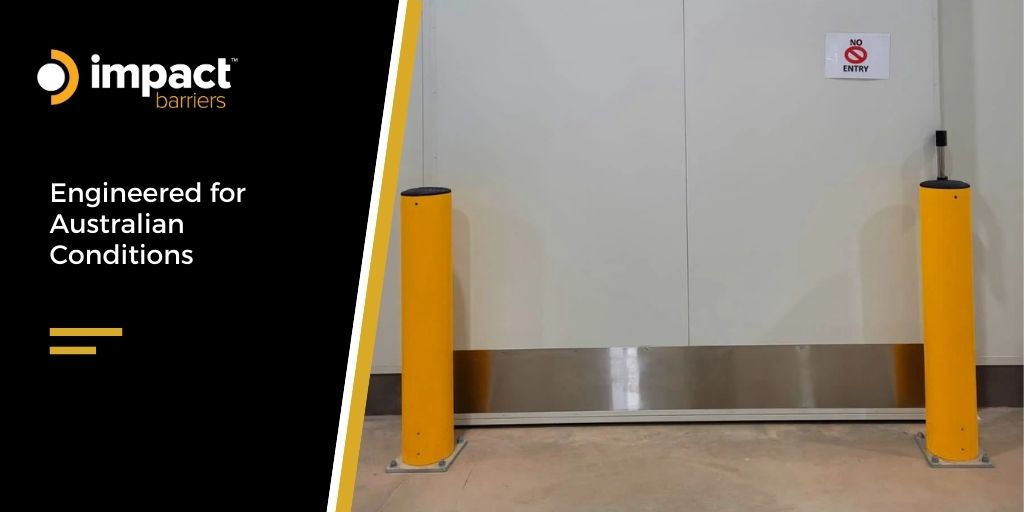
Engineered for Australian Conditions
The Impact Poly Bollard range is designed and manufactured in Australia using an industry-leading polymer compound that has been formulated to perform across the full spectrum of Australian operating conditions. The material maintains its structural integrity and energy-absorption characteristics in cold storage environments without becoming brittle, and resists UV degradation under prolonged direct sun exposure without fading or loss of high-visibility colouring.
These are not generic plastic posts. They are purpose-engineered safety systems, developed in consultation with warehouse operators and safety professionals to address the real-world challenges of high-traffic industrial environments.
A Practical Recommendation
When assessing bollard placement for your facility, it is important to consider not only the designed traffic flow, but also the realistic deviation patterns that occur during peak periods, shift changeovers, and fatigue-affected hours. The areas most vulnerable to impact are often not where vehicles are intended to travel, but where they end up when operational conditions are less than ideal.
Request a Site Assessment
If your facility is experiencing recurring bollard or floor damage, or if you are reviewing your asset protection strategy as part of a broader WHS compliance program, our team can assist with a detailed site assessment and placement recommendation tailored to your operational requirements.
Contact us on 1800 765 539 or email sales@impactbarriers.com.au with your site layout or floor plan, and we will provide a comprehensive protection recommendation for your facility.